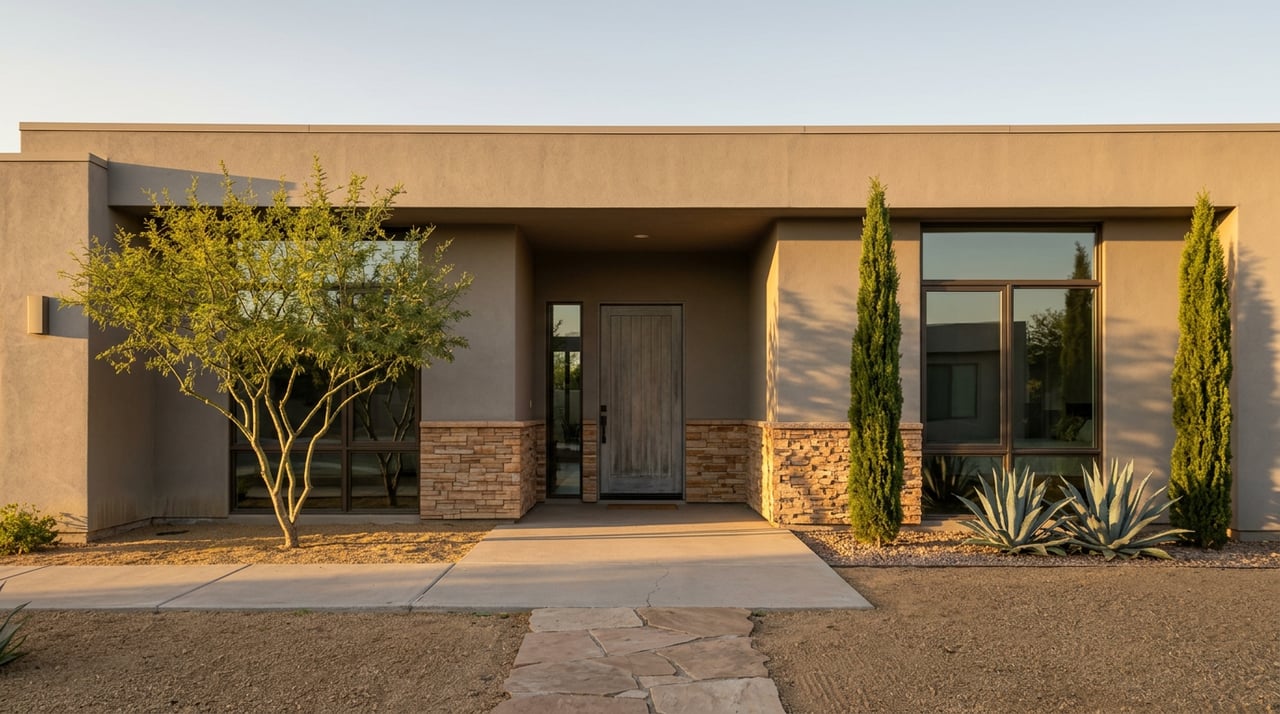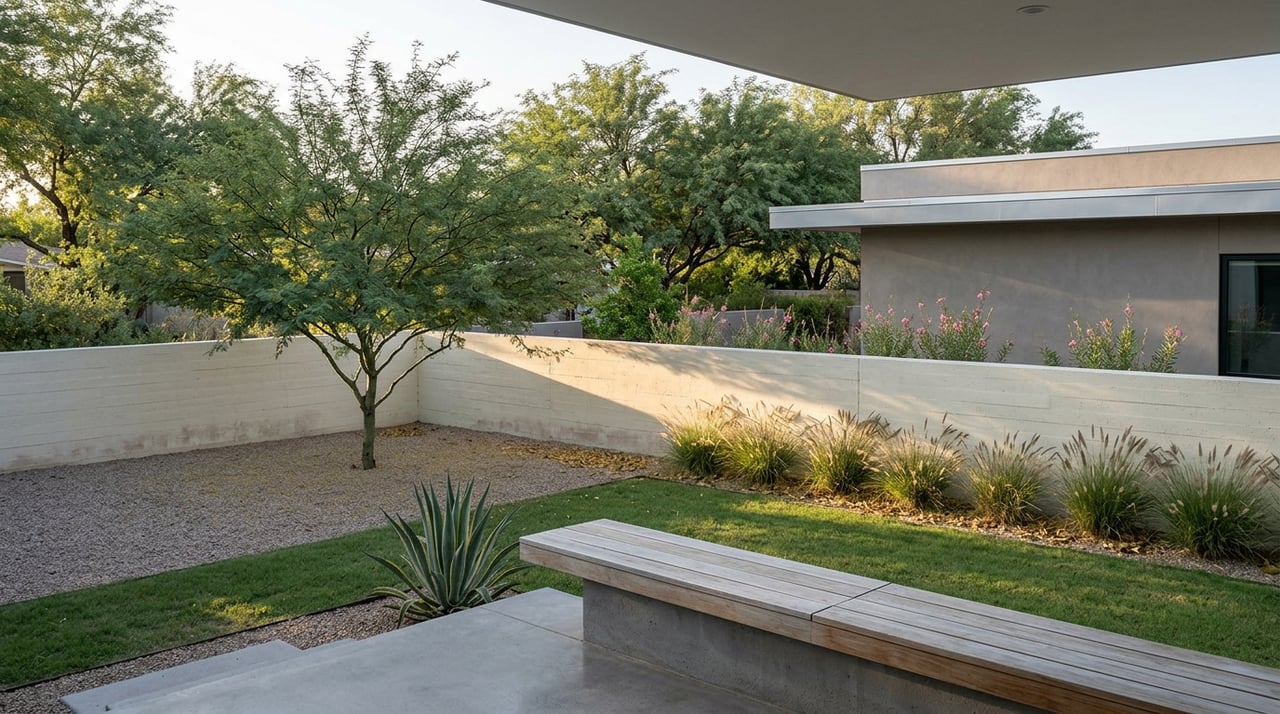
Owning a rental property in Las Vegas can be an attractive opportunity, but turning a property into a successful rental requires more than simply placing a "For Rent" sign in the yard.
Property owners have to make decisions about pricing, marketing, property preparation, tenant screening, maintenance, lease administration, communication, and long-term investment strategy.
For owners who live outside Las Vegas, work full-time, or simply don't want to manage the day-to-day responsibilities of a rental property, professional property management can provide an important layer of support.
The Las Vegas rental market also continues to evolve as residents relocate to the area, neighborhoods develop, and renters become increasingly selective about where they live.
For property owners, understanding what today's rental environment demands can help protect the value of the property while creating a better experience for both owners and tenants.
Pricing a Rental Property Requires More Than Looking at One Listing
One of the first decisions an owner has to make is determining how much to charge for rent.
It can be tempting to search online, find another property that looks similar, and use its rental price as a starting point.
However, rental pricing is more complicated than comparing two properties.
Factors such as location, square footage, bedroom and bathroom count, property condition, upgrades, amenities, community features, parking, and overall demand can all influence rental value.
Even properties within the same neighborhood can command different rental rates depending on their condition and features.
Pricing too high can result in a property sitting vacant longer than necessary.
Pricing too low may attract interest quickly, but it can leave potential rental income on the table.
The goal is to find a competitive rental price that reflects the property's market position while attracting qualified renters.
This is where local market knowledge becomes particularly valuable.
Property Condition Can Influence Tenant Interest
Renters are not simply looking at the number of bedrooms.
They are evaluating the entire experience of living in the property.
A clean and well-maintained home can create a stronger first impression than a property that appears neglected, even if both homes have similar layouts.
Before marketing a rental, owners should evaluate areas such as:
- Flooring
- Paint
- Lighting
- Appliances
- Plumbing fixtures
- Doors and hardware
- Cabinets
- Windows and blinds
- HVAC systems
- Water heaters
- Landscaping
- Exterior appearance
Not every property needs a major renovation.
In many cases, addressing smaller maintenance issues and improving the overall presentation can make the home more appealing to prospective tenants.
The important thing is identifying which improvements are actually worthwhile.
Marketing a Rental Property Is About More Than Posting Photos
Once the property is ready, it needs to be marketed effectively.
Today's renters often begin their search online, which means the property's digital presentation can influence whether someone decides to schedule a showing.
High-quality photography, accurate property descriptions, clear information, and effective online exposure can help generate interest.
A listing should clearly communicate the features that matter to renters while accurately representing the property.
Good marketing isn't about making a property look better than it actually is.
It's about presenting the property professionally and helping the right renters understand what it offers.
Tenant Screening Is One of the Most Important Parts of the Process
Finding a tenant is only part of the job.
Finding a qualified tenant is far more important.
Tenant screening can involve reviewing an applicant's rental history, income, employment information, credit information, and other relevant qualifications according to applicable laws and established screening criteria.
A consistent screening process helps property owners make informed decisions rather than relying solely on first impressions.
It's important for owners and managers to apply screening standards consistently and understand the legal requirements surrounding housing and tenant selection.
The objective is not simply to fill a vacancy.
It's to find a tenant who meets the property's qualification standards and is likely to fulfill the terms of the lease.
Communication Doesn't Stop After the Lease Is Signed
One of the biggest misconceptions about rental property management is that most of the work happens before a tenant moves in.
In reality, management continues throughout the entire tenancy.
Tenants may have questions about the property, maintenance requests may arise, and unexpected situations can happen.
Clear communication can make these situations easier to handle.
A professional property management process should give tenants a reliable way to report issues and receive updates while keeping property owners informed about important developments.
Good communication can also help prevent small issues from becoming larger problems.
Maintenance Is an Investment in the Property
Routine maintenance is one of the most important responsibilities of owning a rental property.
Ignoring a small maintenance issue doesn't necessarily make it disappear.
A minor plumbing leak, for example, could eventually contribute to more significant damage if it isn't addressed.
The same principle applies to HVAC systems, water heaters, appliances, roofing, electrical components, and other parts of the property.
Regular inspections and timely maintenance can help identify problems before they become more expensive.
Property owners should think about maintenance not simply as an expense, but as part of protecting the long-term condition and value of the investment.
Understanding Unit Turns
A tenant moving out doesn't necessarily mean the property is immediately ready for the next tenant.
Between tenants, a property may need to be inspected, cleaned, repaired, repainted, or otherwise prepared before it is marketed again.
This process is commonly referred to as a unit turn.
A successful unit turn requires coordination.
The property needs to be evaluated, necessary work needs to be identified, contractors may need to be scheduled, and the property needs to be brought back to an appropriate rental standard.
The faster and more efficiently this process is handled, the sooner the property may be able to return to the rental market.
However, speed should never come at the expense of quality.
The goal is to balance efficiency with proper preparation.
Professional Property Management Can Reduce the Burden for Owners
Managing a rental property independently can be manageable for some owners.
But as the number of properties increases, so does the workload.
Owners may find themselves handling:
- Rental inquiries
- Property showings
- Tenant screening
- Lease administration
- Rent collection
- Maintenance requests
- Vendor coordination
- Inspections
- Tenant communication
- Move-ins
- Move-outs
- Security deposit procedures
- Unit turns
- Emergency situations
For owners who don't have the time, experience, or local resources to manage these responsibilities, professional property management can provide a more structured approach.
A property manager can serve as the connection between the owner, tenant, vendors, and other parties involved in the property's operation.
Local Knowledge Matters in Las Vegas
Las Vegas isn't one single rental market.
Different neighborhoods can attract different types of renters and offer different advantages.
A property near major employment centers may appeal to a different tenant demographic than a property located closer to entertainment, schools, recreation, or suburban amenities.
Understanding these local differences can help owners make better decisions about marketing and positioning their properties.
Local knowledge can also help property managers understand what renters are looking for in different parts of the valley.
For an owner who doesn't live in the area, having someone familiar with the local market can be particularly valuable.
Protecting the Owner's Long-Term Investment
Rental property ownership should be viewed as a long-term investment rather than simply a way to collect monthly rent.
The property's condition, tenant quality, operating expenses, vacancy periods, maintenance costs, and rental income can all influence the investment's performance.
Owners should regularly evaluate questions such as:
- Is the property priced appropriately?
- Is the property attracting qualified renters?
- Are maintenance issues being addressed promptly?
- Are operating costs under control?
- Is the property being maintained properly?
- Are there improvements that could improve its appeal?
- Is the current management strategy still appropriate?
Regular evaluation allows owners to make decisions based on the property's actual performance rather than assumptions.
The Importance of Having a Clear Rental Strategy
Every property owner has different goals.
Some may prioritize maximizing rental income.
Others may focus more heavily on minimizing vacancy.
Some owners may be building a long-term portfolio, while others may own a single investment property.
There is no universal strategy that works for every property.
The right approach depends on the owner's goals, financial situation, property characteristics, and long-term plans.
A professional property manager can help owners understand the practical considerations involved and develop a management approach that aligns with those goals.
Renting Out a Home Shouldn't Be a Guessing Game
A successful rental property requires decisions at every stage.
From determining the right rental price to preparing the property, marketing it, screening applicants, managing the tenancy, and maintaining the home, each decision can influence the property's performance.
For Las Vegas property owners, having the right systems and support in place can make the process more manageable.
The rental market will continue to change, and renter expectations will continue to evolve.
Owners who stay informed, maintain their properties, communicate effectively, and make decisions based on current market conditions can put themselves in a stronger position for long-term success.
Professional Property Management in Las Vegas
At Vice Realty, we understand that owning an investment property should not require you to handle every detail yourself.
From marketing and tenant placement to maintenance coordination, inspections, and ongoing property management, our team helps property owners navigate the responsibilities that come with rental ownership.
Whether you own one property or are building a larger investment portfolio, having a professional team in your corner can provide valuable support and local expertise.
Your property is an investment.
It deserves a management strategy designed to protect it, maintain it, and help it perform over the long term.
Thinking about renting out your Las Vegas property?
Contact Vice Realty at (702) 825-4663 to learn more about our property management services and how we can help you manage your investment with confidence.