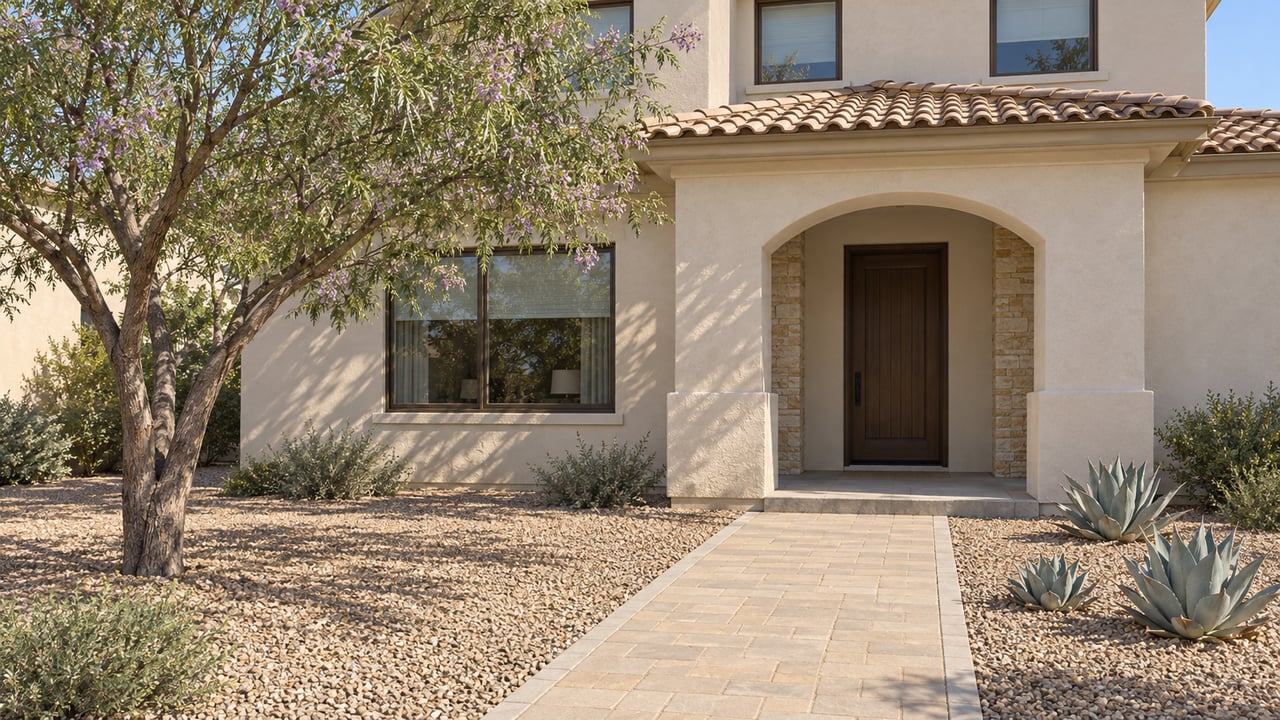
Owning a rental property in Las Vegas can be an excellent way to build long-term wealth, but turning a property into a successful rental requires more than simply putting a listing online and waiting for a tenant.
From determining the right rental price to preparing the property, marketing it, screening applicants, handling maintenance, and managing lease renewals, every stage of the rental process can affect your investment.
For property owners who want to maximize their property's potential while minimizing the daily demands of management, having a clear strategy is essential.
Start With the Property Itself
Before advertising a rental, take an honest look at the condition of the property.
First impressions matter. Prospective tenants are more likely to be interested in a property that looks clean, well-maintained, and move-in ready.
Walk through the property and look for issues that could affect a tenant's experience, including plumbing problems, electrical issues, damaged flooring, leaking fixtures, HVAC concerns, damaged appliances, poor paint condition, broken doors or locks, exterior maintenance issues, and safety concerns.
Addressing these problems before marketing the property can help create a better first impression and reduce the possibility of immediate maintenance requests after move-in.
Pricing Your Rental Correctly
One of the most important decisions a property owner makes is determining the rental price.
Pricing too high can result in longer vacancy periods, while pricing too low can leave potential rental income on the table.
The right price depends on more than the property's size. Location, neighborhood, property condition, number of bedrooms and bathrooms, amenities, parking, upgrades, and current competition can all influence rental value.
A professional property manager can review comparable rental properties and current market conditions to help establish a competitive asking price.
The goal isn't simply to choose the highest possible number. It's to find a price that attracts qualified renters while making sense for the property's investment potential.
Marketing Matters
A great property can still struggle to attract tenants if it isn't marketed effectively.
Online renters often make quick decisions based on photos, pricing, property descriptions, and the information available in a listing.
Professional-quality photos can make a significant difference. The listing should also clearly communicate the property's features, location, amenities, and important rental terms.
A strong marketing strategy helps prospective tenants quickly determine whether the property fits their needs.
Tenant Screening Is a Critical Step
Finding a tenant quickly is important, but finding the right tenant is even more important.
Tenant screening can help property owners make more informed leasing decisions. Depending on the applicable process and requirements, screening may involve reviewing an applicant's rental history, income, credit information, and other relevant qualifications.
The goal is to establish a consistent process that treats applicants fairly while helping the property owner evaluate whether an applicant meets the established rental criteria.
Skipping this step because a property has been vacant for too long can create significant problems later.
Understanding the Lease
A lease is more than a document that states how much rent is due each month.
It establishes expectations between the property owner and tenant.
A well-structured lease should clearly address important matters such as rent, deposits, maintenance responsibilities, occupancy, property rules, lease duration, and other applicable terms.
Clear expectations can reduce confusion and provide both parties with a better understanding of their responsibilities.
Property owners should also make sure their rental practices and lease documents comply with applicable federal, state, and local requirements.
Maintenance Should Be Proactive
Maintenance is one of the biggest ongoing responsibilities of rental ownership.
Waiting until something breaks can turn a relatively minor issue into a costly repair.
Regular attention to HVAC systems, plumbing, appliances, landscaping, roofing, and other major components can help identify potential problems earlier.
For owners with multiple properties, coordinating maintenance can quickly become a major time commitment.
A professional property management team can help coordinate vendors, respond to maintenance requests, and keep owners informed about necessary repairs.
Communication With Tenants Matters
Successful property management depends heavily on communication.
Tenants need to know how to report maintenance problems, ask questions, and communicate concerns. Property owners need to know what is happening with their investment.
A professional management process creates clear channels of communication and helps ensure requests are documented and addressed appropriately.
Good communication means setting clear expectations, responding professionally, and handling issues consistently.
Managing Vacancies
Vacancy can have a direct impact on rental property income.
When a property is empty, the owner may still have mortgage payments, insurance, utilities, taxes, maintenance costs, and other expenses.
Reducing vacancy therefore requires planning.
The process should begin before the current tenant moves out whenever possible. Property owners and managers can evaluate whether the rental price remains competitive, determine what repairs or improvements are necessary, prepare marketing materials, and begin looking for the next qualified tenant.
The objective is not simply to fill the property as quickly as possible. It's to minimize unnecessary downtime while maintaining an appropriate rental strategy.
Preparing for Tenant Turnover
Every rental property will eventually experience turnover.
When a tenant moves out, the property needs to be evaluated before it is marketed again.
This may involve cleaning, painting, repairing damaged areas, replacing worn flooring, addressing maintenance issues, and checking appliances and fixtures.
A well-organized turnover process can help reduce the amount of time between tenants while giving owners an opportunity to evaluate the property's condition.
Why Professional Property Management Can Help
Managing a rental property independently can work for some owners. But as responsibilities increase, the time required to manage the property can become difficult to maintain.
A professional property management company can handle many of the day-to-day responsibilities associated with rental ownership, including:
- Property marketing
- Tenant inquiries
- Showings
- Applicant screening
- Lease administration
- Rent collection
- Maintenance coordination
- Tenant communication
- Property inspections
- Lease renewals
- Move-out coordination
- Turnover management
Having a professional team handle these responsibilities allows property owners to spend less time dealing with operational details and more time focusing on their broader investment goals.
Managing a Rental Is About More Than Collecting Rent
Successful management involves protecting the property, maintaining tenant relationships, minimizing unnecessary vacancy, responding to maintenance issues, and making informed decisions throughout the entire rental cycle.
A property that is poorly maintained may lose appeal.
A property priced incorrectly may remain vacant.
A rushed tenant selection can create problems.
Delayed maintenance can become expensive.
Strong management brings these responsibilities together into a consistent system.
Growing Your Las Vegas Rental Portfolio
For investors planning to acquire additional properties, professional management can become even more valuable.
Managing one property may be relatively straightforward. Managing several properties introduces additional tenants, maintenance requests, lease renewals, inspections, financial records, and turnover schedules.
Without the right systems, managing a growing portfolio can quickly become overwhelming.
Professional property management provides owners with infrastructure and experience that can make it easier to operate multiple properties while maintaining consistent standards.
Final Thoughts for Las Vegas Property Owners
Renting out a Las Vegas property can be an important part of a long-term investment strategy, but successful rental ownership requires active management.
From preparing the property and setting the right rental price to finding qualified tenants, maintaining the property, managing vacancies, and handling turnover, every step matters.
For owners who don't have the time, experience, or desire to handle these responsibilities themselves, professional property management can provide valuable support.
At Vice Realty Group, our goal is to help property owners navigate the day-to-day responsibilities of rental management while providing professional service throughout the entire leasing and management process.
Ready to make managing your Las Vegas rental property easier?
Call Vice Realty Group at (702) 825-4663 or contact our team today to learn more about our property management services.
Let Vice Realty help you spend less time managing the details and more time focusing on your investment.