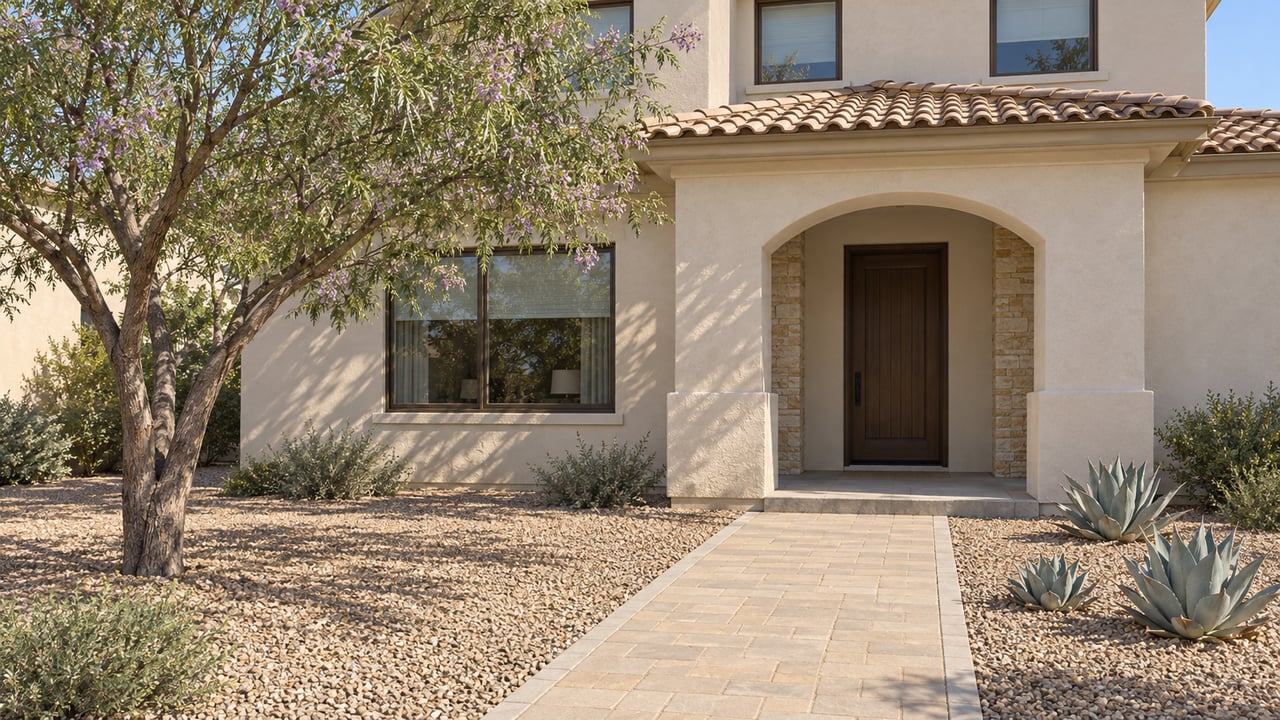
Owning a rental property in Las Vegas can be an excellent way to build long-term wealth, generate rental income, and create a valuable real estate portfolio. But owning the property is only one part of the equation.
Managing it successfully requires consistent attention to tenants, maintenance, rent collection, documentation, property inspections, vendor coordination, and the many details that can arise throughout a lease.
For some owners, property management becomes a second job.
A professional property management company can take many of those responsibilities off the owner's plate while providing systems and processes designed to keep the property operating efficiently.
At Vice Realty, we help Las Vegas property owners navigate the everyday responsibilities that come with rental ownership while keeping the long-term health of the investment in mind.
1. Finding the Right Tenant Starts Before the Lease
One of the most important parts of rental property management happens before a tenant ever moves in.
A vacant property creates pressure to get someone into the home quickly, but rushing the leasing process can create problems later. A strong tenant-screening process can help property owners make informed decisions based on established rental criteria.
Screening may involve reviewing an applicant's rental history, income, employment information, credit profile, and other legally appropriate factors.
The goal isn't simply to find someone who can move in.
The goal is to find a qualified tenant who is a good fit for the property and who is likely to meet the obligations of the lease.
A consistent process is important because it helps reduce decisions based on emotion or assumptions and gives owners a structured approach to evaluating applicants.
2. Pricing the Property Correctly Matters
Rental pricing is another major part of successful property management.
Price a property too high, and it may sit vacant longer than necessary.
Price it too low, and the owner may leave potential rental income on the table.
The right rental rate depends on factors such as location, property size, condition, amenities, comparable rentals, current demand, and overall market conditions.
Las Vegas is not one uniform rental market. Conditions can vary significantly from one neighborhood or property type to another.
That is why rental pricing should be based on the specific property and its competitive market rather than relying on a generic citywide number.
The objective should be to find a rental rate that positions the property competitively while making financial sense for the owner.
3. Good Property Management Requires Communication
A rental property doesn't operate on autopilot.
Tenants may have questions about the lease, maintenance requests, access, payments, or other issues. Owners may need updates about repairs, vacancies, leasing activity, or property conditions.
When communication is inconsistent, small issues can become larger ones.
Clear communication creates expectations for everyone involved.
For tenants, it provides a reliable way to report concerns and receive information.
For owners, it provides visibility into what is happening with their investment without requiring them to personally handle every conversation.
Professional property management creates a communication structure that helps keep everyone informed.
4. Maintenance Is About More Than Fixing Problems
Maintenance is one of the most obvious responsibilities associated with rental properties, but effective maintenance isn't simply about responding when something breaks.
Routine attention to the property can help identify problems before they become more expensive.
A small plumbing issue, for example, may be relatively straightforward to address when discovered early. Left unattended, the same issue could potentially result in water damage and a much larger repair.
Property managers also coordinate vendors, schedule repairs, communicate with tenants, and document work performed.
For owners who don't live near their rental properties — or who simply don't want to spend their evenings coordinating repairs — having someone manage these details can be especially valuable.
5. Documentation Protects Everyone
Rental property management involves a significant amount of documentation.
Lease agreements, inspection records, maintenance requests, invoices, tenant communications, notices, and other records can all become important throughout the life of a tenancy.
Accurate documentation helps create a clear record of what happened, when it happened, and how the issue was handled.
This is especially important when dealing with maintenance disputes, lease violations, move-in and move-out conditions, or other situations where details matter.
Professional management isn't just about getting things done.
It's also about keeping organized records of what was done.
6. Inspections Help Owners Stay Informed
A property owner can't protect an investment they don't know the condition of.
Property inspections can provide valuable information about the condition of the home and help identify maintenance concerns that may otherwise go unnoticed.
Inspections can also help establish documentation regarding the property's condition at different points during the tenancy.
The specific timing and process for inspections should always follow applicable laws, lease requirements, and appropriate notice procedures.
The larger principle is simple: staying informed about the physical condition of a rental property is an important part of responsible ownership.
7. Vacancies Have a Real Financial Impact
Every day a rental property sits vacant represents time when the property isn't generating rental income.
At the same time, many ownership expenses continue.
Mortgage payments, insurance, utilities, taxes, maintenance, and other costs don't necessarily stop simply because there isn't a tenant occupying the property.
Reducing unnecessary vacancy therefore requires more than simply advertising the property.
It involves preparing the property for market, establishing competitive pricing, marketing effectively, responding to prospective tenants, scheduling showings, processing applications, and moving qualified tenants through the leasing process efficiently.
The goal is not to eliminate every vacancy — that isn't realistic.
The goal is to manage the transition between tenants as efficiently and responsibly as possible.
8. Tenant Problems Need to Be Handled Consistently
Even with good screening and strong management, rental property ownership can involve difficult situations.
Late payments, lease violations, maintenance disputes, tenant complaints, and other issues may arise.
The response matters.
Property owners should have established procedures for addressing problems rather than making decisions based on frustration or emotion.
More importantly, landlords need to understand and follow applicable Nevada and local requirements when handling notices, nonpayment, lease violations, evictions, and other legal processes.
This is one of the areas where professional management can provide significant value.
A property manager can help coordinate the appropriate steps and keep the process organized, while owners can avoid having to navigate every detail themselves.
9. Property Management Can Help Owners Scale
Managing one rental property yourself may seem manageable.
Managing five, ten, or twenty properties is a different situation.
As a portfolio grows, so does the number of tenants, maintenance requests, leases, payments, inspections, vendors, vacancies, and administrative responsibilities.
Without effective systems, the workload can quickly become overwhelming.
Professional property management allows owners to build a portfolio without necessarily having to personally manage every operational detail.
That can give investors more time to focus on acquisition, financing, long-term planning, and other priorities.
10. The Property Is the Investment — Management Is Part of Protecting It
A rental property is more than a monthly rent check.
It's an asset that requires ongoing attention.
How the property is maintained, how tenants are treated, how vacancies are handled, how repairs are coordinated, and how records are maintained can all affect the overall ownership experience.
Good property management doesn't guarantee that every problem will disappear.
Instead, it provides structure for dealing with problems when they happen.
That's an important distinction.
The value of property management often becomes most obvious when something goes wrong — because there is already a process in place for responding.
Choosing the Right Property Management Partner
If you're considering hiring a property manager, don't focus only on the management fee.
Ask how the company handles tenant screening, rent collection, maintenance, inspections, communication, vacancies, documentation, and difficult tenant situations.
Ask who will actually be managing your property.
Ask how often you'll receive updates.
Ask how maintenance requests are handled.
And ask what happens when something goes wrong.
The right management relationship should give an owner greater visibility and organization, not less.
Managing a Rental Shouldn't Mean Managing Everything Yourself
Las Vegas remains a market where rental property ownership can create opportunities for investors, but successful ownership requires more than purchasing a property and finding a tenant.
It requires ongoing management.
From marketing and tenant placement to rent collection, maintenance coordination, inspections, documentation, and day-to-day communication, the details add up quickly.
For owners who want to spend less time handling those responsibilities themselves, professional property management can provide the structure and support needed to keep the property moving forward.
Vice Realty works with Las Vegas property owners to help manage the day-to-day responsibilities of rental ownership while keeping the owner's investment goals in focus.
If you're currently managing your property yourself or considering turning a home into a rental, we're here to help you understand your options.
Call Vice Realty at (702) 825-4663 to learn more about professional property management in Las Vegas.