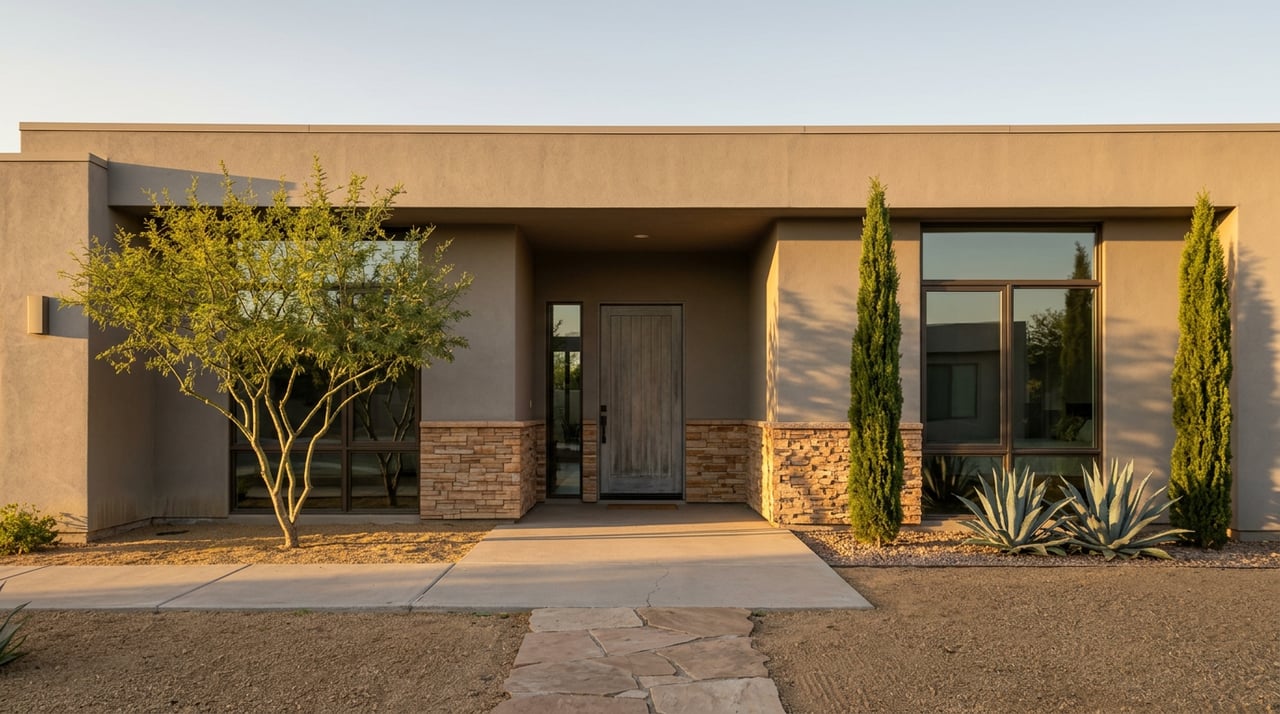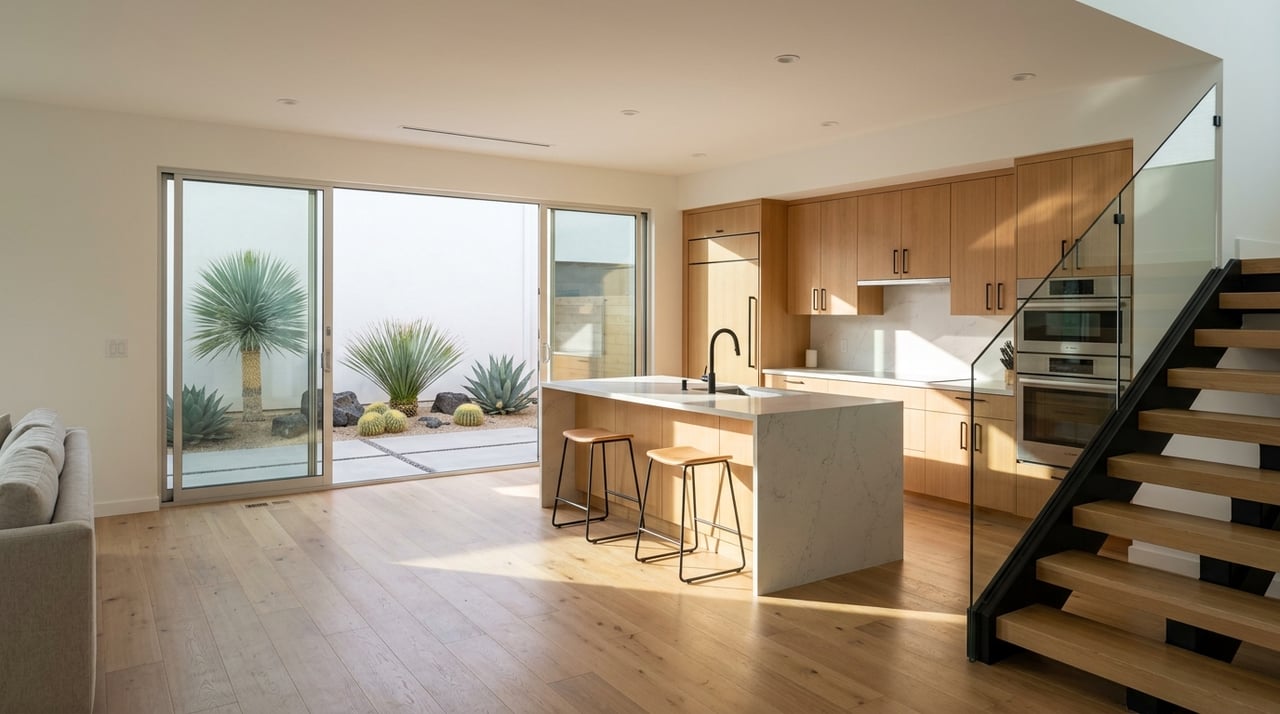
Thinking about a bigger home in Centennial Hills but not sure how to time the sale of your current place? You are not alone. A move-up purchase can feel like a juggling act, especially when you are trying to line up equity, financing, repairs, showings, and closing dates all at once. The good news is that with the right plan, you can make the process far more predictable and far less stressful. Let’s dive in.
Why Centennial Hills works for a move-up
Centennial Hills gives many homeowners a reason to stay in the northwest valley even after their first home no longer fits their needs. The City of Las Vegas describes the area as roughly bounded by U.S. 95, Lone Mountain Road, and Decatur Boulevard, and notes that it includes communities such as Skye Canyon and Sunstone.
The area also offers amenities that support day-to-day living close to home. Centennial Hills Park spans 120 acres and includes trails, a dog park, pickleball courts, soccer fields, water-play areas, and an amphitheater. If you already know and like this part of the valley, moving up nearby can let you keep the routines and places that matter to you.
What the market means for your timing
Current market data points to a slower, more negotiable environment than the pandemic-era peak. Depending on the source, Centennial Hills home values and timing differ, but the direction is similar: homes are taking longer to sell and buyers have more room to negotiate.
Redfin reported a median sale price of $474,824 for the three months ending April 2026, with homes taking about 60 days to sell on average. Zillow reported a typical value of $450,051, a March 2026 median sale price of $432,779, and a median of 32 days to pending. Realtor.com reported a March 2026 median sale price of $530,000, 47 days on market, a 99% sale-to-list ratio, and labeled Centennial Hills a buyer’s market.
These numbers should be treated as directional, not exact. Each tracker uses a different method. Still, they tell you something important: you should plan your move-up carefully instead of assuming your current home will sell right away.
Across Las Vegas, the broader market also supports a measured approach. Realtor.com reported 6,468 active listings in April 2026, with a median of 52 days on market and price cuts on 21.5% of active listings. Zillow showed 8,426 homes for sale and a median sale price of $419,000, with homes going pending in about 32 days.
Decide whether to sell first or buy first
This is the core question in almost every move-up plan. The right answer depends on how much equity you have, how much cash you can access without selling, and how much risk you are comfortable carrying.
For many homeowners, selling first is the simpler path. It can free up your equity, make your budget clearer, and reduce the chance that you end up carrying two mortgage payments at once.
Buying first can make sense if you have substantial savings or enough available equity to move without waiting on your current sale. This can give you more flexibility and may help you avoid temporary housing, but it also raises the stakes if your current home takes longer to sell than expected.
If your next purchase depends on the money from your current home, make that decision early. Waiting too long to sort out your financing can lead to rushed offers, missed opportunities, or unnecessary stress.
Build your move-up budget early
A bigger home usually means more than a bigger down payment. You also need to plan for costs that hit before, during, and after closing.
The Consumer Financial Protection Bureau says typical closing costs are 2% to 5% of the purchase price, excluding the down payment. Buyers should also keep money set aside for moving expenses, repairs, furniture, and utility setup, while maintaining an emergency cushion of three to six months of expenses.
A practical move-up budget often includes:
- Down payment
- Purchase closing costs
- Moving costs
- Utility transfers and setup
- Immediate repairs or touch-ups
- Furniture or storage needs
- Reserve funds for unexpected expenses
If you are also selling, budget for prep work on your current home too. That may include cleaning, paint, landscaping, minor repairs, and other items needed to help your property show well.
Prepare your current home before you list
A smoother move-up starts with a sale-ready current home. The more work you handle upfront, the fewer surprises you are likely to face once buyers start touring and inspections begin.
The National Association of Realtors recommends decluttering, cleaning, improving curb appeal, getting replacement estimates for major repairs, locating warranties, and considering a pre-sale home inspection. These steps can help you spot issues early and make negotiations easier later.
Freddie Mac also notes that many sellers budget for staging, carpet cleaning, interior painting, landscaping, general repairs, commissions, and other fees. In a market that leans more favorable to buyers, presentation matters even more.
A simple pre-list checklist
- Declutter each room
- Deep clean the home
- Tidy the yard and entry
- Gather appliance and repair records
- Price out likely repair items
- Consider a pre-sale inspection
- Finish small touch-ups before photos and showings
Use the right contract strategy
If you are selling one home and buying another at the same time, contract terms matter. The right clauses can create breathing room and help protect your timeline.
Common contingencies and clauses include financing, appraisal, inspection, title, homeowners insurance, HOA review, home sale, home close, rent-back, continue-to-show, and kick-out provisions. These terms need to be written clearly and paired with deadlines.
For move-up buyers, a few options are especially useful:
Home sale contingency
This gives you time to sell your current home before you close on the next one. It can protect you if your purchase depends on your sale proceeds.
Home close contingency
This ties your purchase to the actual closing of your current home, not just getting it under contract. That can offer another layer of protection when timing is tight.
Rent-back clause
A rent-back allows the seller to stay in the home for a negotiated period after closing. If you are selling first, this can buy you time to close on your next home and move with less pressure.
Kick-out clause
If your offer depends on selling your current home, a seller may want a kick-out clause. This lets the seller keep marketing the property and act on another offer under agreed terms.
When a bridge loan may help
Sometimes you find the right next home before your current one sells. If you have strong equity and do not want to make a home-sale-contingent offer, a bridge loan may be worth discussing with a lender.
A bridge loan can let you tap equity in your current home before it sells. That may help you compete more like a cash buyer and reduce the pressure of trying to line up both closings perfectly.
This option is not right for everyone. It works best when you have substantial equity, solid financial reserves, and a lender that offers short-term financing designed for this type of transition.
Understand Clark County closing costs and filings
In Nevada, local closing details matter. If you are planning a move-up in Centennial Hills, it helps to know what happens at recording and what to expect after closing.
Nevada’s Real Property Transfer Tax is collected by the county recorder when the deed is recorded. In Clark County, the rate is $2.55 per $500 of value or fraction thereof. The state says both the grantor and grantee are responsible for the tax, and Clark County requires a Declaration of Value for documents that convey an interest in real property.
If the home you buy will be your owner-occupied primary residence, property tax rules matter as well. Clark County says Nevada applies a 3% cap to the tax bill of a primary residence, only one property may be selected as a primary residence in Nevada, and new construction or a change of use does not qualify for the cap until the following fiscal year.
Clark County also notes that when an ownership document is recorded, the owner-occupied abatement is removed until a new postcard is returned to the Assessor. That is a small administrative step, but it is one worth tracking after your purchase closes.
Create a realistic move-up timeline
The best move-up plans are built around real market pace, not wishful thinking. Since current Centennial Hills market trackers show a range of roughly 32 to 60 days to pending or sale, leave yourself room for prep, showings, negotiation, inspections, and closing.
A practical sequence often looks like this:
- Get pre-approved and review your cash position
- Estimate sale proceeds from your current home
- Decide whether you need to sell first
- Prepare your home for listing
- List with a pricing and timing strategy
- Tour move-up options with your budget locked in
- Use contingencies or financing tools that fit your risk level
- Coordinate inspections, utilities, and final walkthroughs
This kind of structure can help you move with less guesswork. It also makes it easier to adjust if your current home sells faster or slower than expected.
Why planning matters more than perfect timing
There is no single perfect formula for every move-up seller in Centennial Hills. Some homeowners will sell first for clarity. Others will buy first because they have the reserves and flexibility to do it. The common thread is preparation.
When you understand your budget, prep your current home early, and use the right contract strategy, you give yourself more control over a process that can otherwise feel chaotic. In a market with more negotiation and more listings, that preparation can make a real difference.
If you are thinking about your next step in Centennial Hills, VICE Realty can help you build a practical plan for selling, buying, and coordinating the details with less friction.
FAQs
How long does it take to sell a home in Centennial Hills?
- Current market trackers show a range of about 32 to 60 days to pending or sale, depending on the source and methodology, so it is smart to plan for several weeks rather than expect a quick sale.
Should you sell first or buy first in a Centennial Hills move-up?
- It depends on your equity, cash reserves, and risk tolerance. If you need sale proceeds to fund the next purchase, selling first or using protective contingencies may be the safer route.
What costs should you budget for in a Centennial Hills move-up purchase?
- You should budget for the down payment, closing costs, moving expenses, repairs, utility setup, and a reserve for unexpected costs. Closing costs alone are often about 2% to 5% of the purchase price, excluding the down payment.
What should you do before listing your current Centennial Hills home?
- Start with decluttering, deep cleaning, curb appeal, repair planning, and gathering warranties or service records. A pre-sale inspection may also help uncover issues before buyers do.
What Clark County tax detail matters after buying a primary residence?
- If the home will be your owner-occupied primary residence, Clark County says the owner-occupied abatement is removed when an ownership document is recorded until a new postcard is returned to the Assessor.