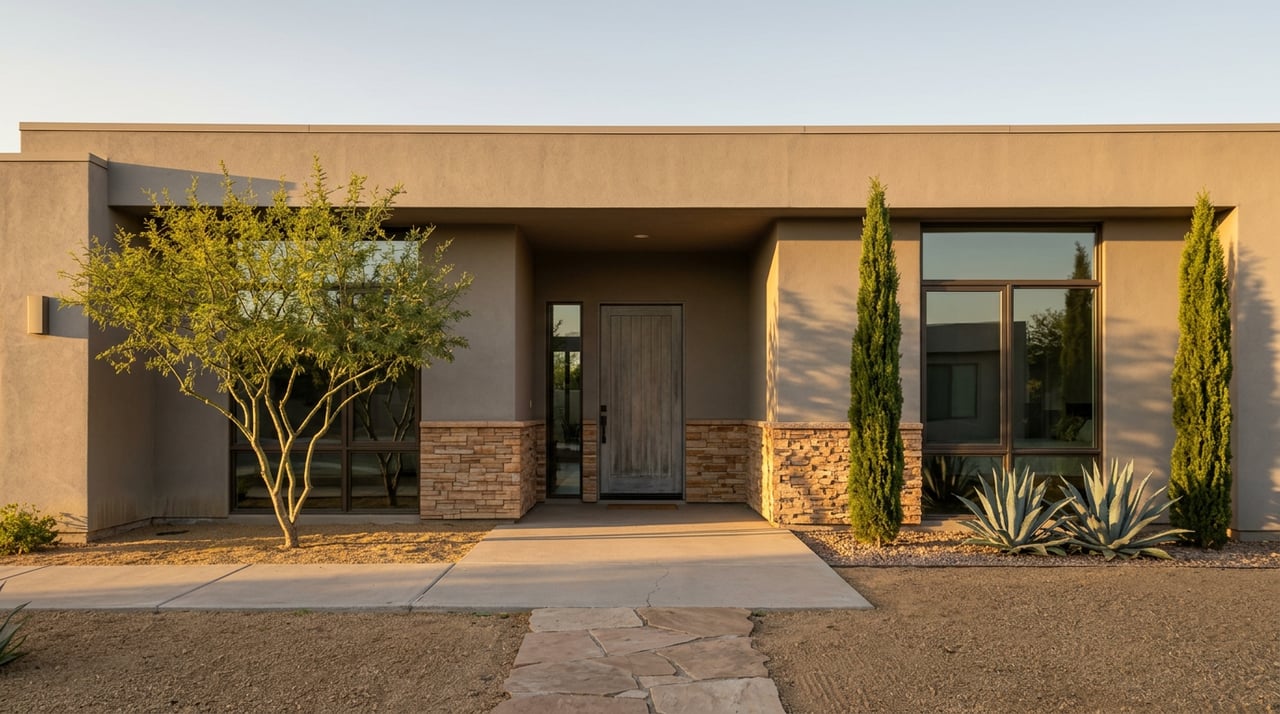
Torn between a sparkling new build and a move-in ready resale in Southwest Las Vegas? If you are moving up, you are likely juggling timing, equity, and monthly costs while trying to avoid surprises. This guide helps you compare true costs, incentives, timelines, HOAs and SIDs, inspections, appraisals, and financing options so you can choose the path that fits your goals. Let’s dive in.
Southwest Las Vegas market snapshot
Southwest Las Vegas blends master-planned communities with established neighborhoods. New phases often rise along the edges of built areas, with parks and community centers shaping lifestyle and fees. Local supply, demand, and inventory change the balance of power between builders and sellers, so check the latest Las Vegas Realtors market snapshot before you commit.
Price patterns have shifted with interest-rate cycles and construction costs since 2022. Builders may hold higher base prices but use incentives to move inventory when supply builds. Resales can move quickly when there is low inventory, and pricing can respond faster to changing demand.
Price and value: new vs resale
What usually costs more
New construction often carries a price-per-square-foot premium. You are paying for newer systems, modern layouts, energy features, warranties, and community amenities. Lot premiums and upgrades can push total cost well above the base price.
When resale can be the better value
Resales can offer pricing flexibility and immediate equity opportunities. You may also find mature landscaping and proximity to established shops and services. In fast-moving markets, individual sellers can be more flexible on timing and terms than builders.
What drives value in Southwest Las Vegas
- Lot quality and placement near community amenities and traffic corridors.
- Included fixtures and finishes compared with optional upgrades.
- Energy features such as window packages, HVAC, and efficient appliances, with solar sometimes optional.
- HOA fees and amenities that improve lifestyle but add recurring cost.
- Recent comparable sales for both resales and new tracts nearby.
Builder incentives and how to read them
Common incentives and the fine print
Builders often offer closing-cost credits, temporary mortgage rate buydowns, appliance or upgrade packages, and occasional price reductions. Many incentives require using a preferred lender or title company. Get every incentive in writing and confirm whether lender credits or rate buydowns trade off against your overall pricing and fees.
Negotiation dynamics: new vs resale
- Resale: You can negotiate price, repairs, credits, contingencies, and closing date. Multiple offers can limit flexibility, but you have options.
- New construction: Base pricing may be firm, but there is often room in incentives or options. Ask for a written breakdown so you can compare the net cost to a similar resale.
- Move-up timing: Builders may resist sale contingencies, while a resale seller might accept them. If you need to sell first, plan your financing or timing early.
Timelines and build types
Production homes can be quick move-ins or 3 to 12-plus months from contract to keys. Semi-custom and custom builds take longer. Expect Clark County permitting and inspections, and build in time for possible supply-chain, labor, weather, or change-order delays.
Ask for a realistic completion window and any contract clause for long delays. Some agreements outline remedies, like termination rights, when delays exceed a set window. Keep your current home’s sale timeline flexible to reduce risk.
Warranties, inspections, and appraisals
New-home warranties: what to expect
Many builders follow a 1-2-10 pattern: one year for workmanship and materials, two years for major systems, and 10 years for structural items. Coverage varies, so get the full warranty document before closing. Confirm claim steps, response time, transferability, and exclusions.
Inspections still matter on new builds
Municipal inspections focus on code compliance. They do not replace an independent home inspection. Schedule a pre-drywall inspection, a final inspection before closing, and an 11-month checkup to catch items before short-term coverage expires.
Appraisals on new vs resale
New construction appraisals can be tricky if there are few recent comps or if lot premiums and upgrades are hard to support. If an appraisal comes in low, be prepared to negotiate, cover a gap, or consider builder concessions when available. For resales, comps are often easier to find, but unique renovations can still present challenges.
HOA, SIDs, and property taxes
HOAs in master-planned communities
Most new communities in Southwest Las Vegas include HOAs with rules, landscaping standards, and shared amenities. Review monthly fees, what the HOA maintains, reserve strength, any rental rules, short-term rental restrictions, and transfer fees. For newer HOAs, early budgets may be provisional.
Special Improvement Districts in Clark County
Special Improvement Districts fund infrastructure like roads and drainage. An SID can appear as a line item on your tax bill or in separate installments. Verify if your lot has an SID, the remaining term, the payment schedule, and whether the builder or developer covered prior installments. Check Clark County Treasurer and Assessor records and request written disclosures.
Property taxes and assessed value
New homes are typically assessed based on sale and market value at the time of purchase, subject to Nevada’s rules and caps. Use the Clark County Assessor’s guidance to estimate taxes and consider any first-year adjustments. For specific questions, consult a tax professional.
Financing and move-up planning
Preferred lenders and buydowns
Builders often tie incentives to preferred lenders, which can streamline processing. Compare rates, fees, and total costs across lenders, not just the buydown offer. Make sure the incentive does not simply shift costs elsewhere in the loan.
Coordinating your sale and purchase
If you need equity from your current home, map your strategy early.
- Contingent offers can work but may be less competitive for builder inventory.
- Bridge loans or a HELOC can help you buy first, then sell, though they add cost and underwriting steps.
- Timed closings keep moving parts tight but require careful coordination. Some builders offer trade-in or buyout programs. Read terms closely, including pricing, fees, and timelines.
Thinking about future resale
Long-term value comes from location, lot, neighborhood desirability, and market appreciation. In new communities, understand the phasing plan, because future phases can affect near-term values. Track nearby commercial development that could change the feel of the area over time.
Decision checklist for Southwest Las Vegas buyers
Use this to compare options side by side before you write an offer.
Pre-offer research
- Review the latest Las Vegas Realtors market data and builder inventory nearby.
- Compare price per square foot for new builds, including typical upgrades, to recent resales.
- Verify lot size, orientation, elevation, noise factors, and proximity to arterial roads.
Contract and financing
- Get a written list of all incentives and any preferred-lender or title requirements.
- If you must sell first, confirm whether the builder accepts a sale contingency. If not, evaluate bridge financing or timing strategies.
- Ask for the build timeline, completion window, and any remedies for delays.
HOA, SIDs, and covenants
- Request CC&Rs, HOA budget, meeting minutes, and reserve info if available.
- Confirm SIDs or other special assessments with Clark County records and written disclosures.
Inspections, warranties, and protections
- Obtain the full builder warranty and any third-party warranty details.
- Schedule inspections at pre-drywall and final walkthrough, plus an 11-month check.
- Clarify what municipal inspectors do versus what your independent inspector will review.
Appraisal and pricing risk
- Ask builders for recent comparable sales supporting lot premiums and options.
- For resales, review comps and days on market and discuss appraisal-gap strategies if needed.
Long-term costs
- Estimate mortgage, HOA, utilities, irrigation or landscaping, property tax, and any SID payments.
- Compare energy and maintenance savings on new systems to potential deferred maintenance on resales.
Which path fits you
Choose a new build if you want modern design, energy efficiency, warranty protection, and the option to personalize finishes. You are comfortable with a longer timeline and possible appraisal variance.
Choose a resale if you want established neighborhoods, flexible negotiation, and the potential to unlock immediate equity. You are ready to evaluate maintenance updates against a lower initial price.
Next steps with a local partner
Making a move-up purchase is part math, part timing, and part risk control. A local, operations-focused team can help you compare total cost of ownership, verify HOA and SID details, plan inspections, and align your sale and purchase.
If you are weighing whether to sell your current home or keep it as a rental, you can also explore local property management to support a hands-off option. When you are ready, connect with VICE Realty for guidance tailored to Southwest Las Vegas and to get your Instant Home Valuation.
FAQs
How do builder incentives work in Southwest Las Vegas new communities?
- Builders may offer closing-cost credits, temporary rate buydowns, upgrades, or price reductions, often tied to preferred lenders. Calculate the net cost after incentives and confirm all terms in writing.
Do I still need inspections on a new construction home in Clark County?
- Yes. Municipal inspections focus on code, not workmanship quality. Schedule pre-drywall and final inspections, plus an 11-month review before short-term warranty coverage ends.
What should I know about SIDs on homes in Southwest Las Vegas?
- Special Improvement Districts can add long-term assessment payments. Verify if a lot has an SID, the remaining term, annual payment, and whether prior installments were covered by the builder or developer.
How are Nevada property taxes handled on new builds versus resales?
- New homes are typically assessed around the time of sale under Nevada’s tax rules and caps. Use Clark County Assessor guidance to estimate ongoing taxes and ask a tax professional about your situation.
What are the appraisal risks on new construction compared to resales?
- New homes with lot premiums or many upgrades can appraise below contract if nearby comps do not support the price. Be prepared to renegotiate, cover a gap, or request concessions when possible.
How can I coordinate selling my current home and buying in Southwest Las Vegas?
- Consider a sale contingency, bridge financing or HELOC, or carefully timed closings. Builders are often less flexible on contingencies than individual sellers, so plan early with your agent.