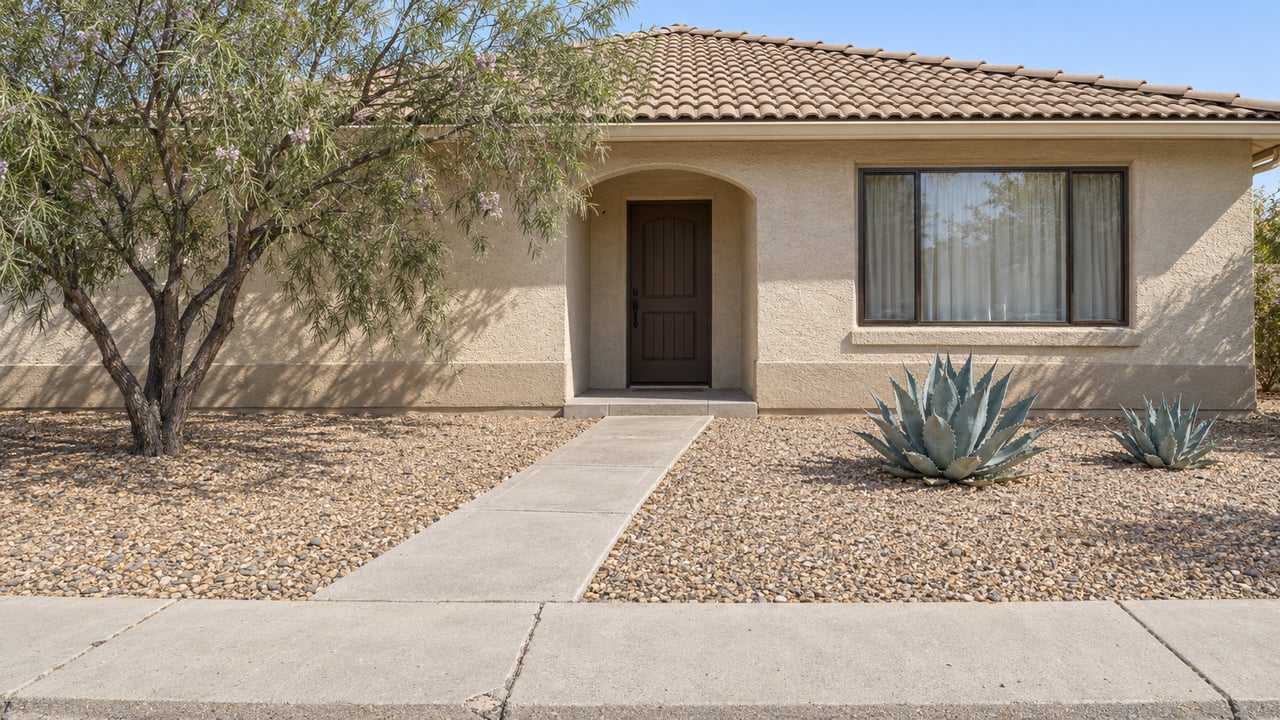
A vacant rental property can quickly become an expensive problem for landlords and real estate investors. Every day a property sits empty means lost rental income, while expenses such as mortgage payments, utilities, insurance, and property maintenance may continue.
In a competitive rental market like Las Vegas, reducing vacancy time requires more than simply posting a listing. Property owners need a strategy that prepares the home, attracts qualified renters, and keeps the leasing process moving efficiently.
Here are practical ways to minimize vacancy periods and protect your rental investment.
1. Start Preparing Before the Current Tenant Moves Out
One of the most effective ways to reduce vacancy is to plan ahead.
When a tenant provides notice, begin coordinating the next steps. Review the property's condition, identify repairs that may be needed, and prepare a schedule for cleaning, maintenance, photography, and marketing.
Where possible, arrange inspections and obtain repair estimates before the move-out date. This helps property owners identify potential delays early instead of discovering problems after the home is already vacant.
2. Complete Repairs and Unit Turns Efficiently
A rental property should be clean, functional, and ready for its next occupant.
Common turnover tasks may include:
- Cleaning and preparing the property
- Repairing drywall and repainting walls
- Replacing damaged flooring
- Checking plumbing fixtures and electrical components
- Inspecting HVAC systems
- Addressing maintenance and safety concerns
- Replacing damaged or missing hardware
Prioritize repairs that affect safety, habitability, and the property's ability to attract renters. A coordinated maintenance process can help prevent small issues from delaying the next move-in.
3. Price the Rental Competitively
Setting the right rental price is essential.
An asking price that is too high can discourage qualified applicants and leave the property vacant longer. On the other hand, pricing too low may reduce potential rental income unnecessarily.
Compare similar properties in the same area. Consider the number of bedrooms and bathrooms, property condition, included amenities, parking, location, and current rental competition.
Review the listing's performance regularly. If inquiries and showing requests are limited, it may be time to reassess the pricing or marketing strategy.
4. Make the Listing Stand Out
First impressions matter, especially when prospective tenants are comparing multiple rental properties online.
Use clear, high-quality photographs that accurately show the property's condition and layout. Write a detailed listing that highlights important features, rental terms, amenities, and location benefits.
Avoid vague descriptions or missing information that could discourage potential renters from making an inquiry.
A well-presented listing can help attract more relevant inquiries and give prospective tenants a clearer understanding of what the property offers.
5. Respond to Rental Inquiries Promptly
A prospective tenant who cannot get a timely response may move on to another available property.
Prompt communication helps keep interested applicants engaged and makes it easier to coordinate showings, answer questions, and explain application requirements.
Establish a consistent process for handling inquiries and scheduling property tours. Clear communication throughout the leasing process can help reduce unnecessary delays.
6. Use Consistent Tenant Screening Procedures
Reducing vacancy does not mean rushing to approve the first applicant.
A reliable screening process helps property owners evaluate applicants consistently and make informed leasing decisions. Depending on applicable laws and the property's criteria, screening may include income verification, rental history, credit information, and references.
Apply the same lawful standards to every applicant. Following fair housing requirements is essential throughout advertising, screening, and tenant selection.
Choosing a qualified tenant can help reduce future turnover, missed payments, and avoidable management problems.
7. Work With a Property Management Team
Managing a rental vacancy involves coordinating several moving parts: maintenance, pricing, marketing, inquiries, showings, screening, and lease preparation.
For owners with multiple properties or limited time, professional property management can help organize these responsibilities and maintain a more consistent leasing process.
A property management team can also help owners monitor rental performance, coordinate maintenance, communicate with tenants, and prepare properties for future occupancy.
Protect Your Rental Income by Planning Ahead
Vacancy is a normal part of owning rental property, but unnecessary delays can make it more expensive.
Preparing before a tenant moves out, completing repairs efficiently, setting competitive rental rates, presenting the property professionally, and maintaining a consistent leasing process can all help reduce downtime.
For Las Vegas property owners, having a proactive rental strategy can make a meaningful difference in protecting long-term investment performance.
Need Help Managing Your Las Vegas Rental Property?
Vice Realty helps property owners navigate the responsibilities of rental property ownership, from leasing and tenant coordination to property management.
Whether you own a single rental home or multiple investment properties, having the right management support can help keep your property organized and your rental goals on track.
Contact Vice Realty at 702-825-4663 to learn more about our property management services.
Vice Realty — Helping You Make the Most of Your Real Estate Investment.